



Table of Contents
- What Makes a Vitamin C Serum Medical Grade
- 7 Medical Grade Vitamin C Serum Benefits for Your Skin
- How to Treat Hyperpigmentation at Home with Vitamin C
- Vitamin C Serum Concentration Guide: What Percentage Works
- How to Layer Vitamin C with Other Actives
- How to Spot Oxidation and Store Your Serum
- Who Should Use Medical Grade Vitamin C (and Who Should Wait)
- Frequently Asked Questions
Last Updated: September 16, 2026
What Makes a Vitamin C Serum Medical Grade
A medical grade vitamin c serum is a high-concentration, stabilized formula, typically built around L-ascorbic acid at a low pH, that is developed for clinical settings and dispensed under professional guidance rather than sold as a mass-market cosmetic. The distinction isn't marketing language. It comes down to formulation chemistry, concentration, pH, packaging, and how the product is overseen.

This guide from Ageless Forever by Dr. Campos breaks down what medical grade vitamin c serum benefits actually mean for your skin, how to read a label properly, and where most people go wrong when they buy.
The regulatory reality behind the phrase
Here's the part most guides skip: "medical grade" is not a legally defined category in the United States. The U.S. Food and Drug Administration does not recognize it as a regulatory class, and no agency certifies a serum as medical grade. What the FDA does regulate is the line between a cosmetic and a drug, and that line is drawn by intended use and claims, not by concentration.
A product is a cosmetic when it is intended to cleanse, beautify, or alter appearance (the FDA). It becomes a drug when it is intended to treat or prevent disease, or to affect the structure or function of the body. That is why two bottles with identical 15% L-ascorbic acid can sit in different legal categories: the one that says "brightens and evens tone" is a cosmetic, and the one that says "treats hyperpigmentation" or "builds collagen" is making a drug claim.
So when a brand calls a serum "medical grade," it is describing a positioning and formulation philosophy, not a government stamp. The practical takeaway: read the claims, not the badge.
U.S. Food and Drug Administration guidance on cosmetic versus drug claims
The four formulation markers that actually separate a clinical formula
Since the label term is unregulated, judge the bottle on chemistry instead. Four markers do most of the work:
- Active form and concentration. Pure L-ascorbic acid is the most studied form. Clinical formulas typically land between 10% and 20%, the range where research shows benefit without a steep jump in irritation.
- pH. L-ascorbic acid needs an acidic environment to penetrate. Most effective formulas sit around pH 2.5 to 3.5. Above roughly pH 4, absorption drops sharply; below pH 2.5, irritation risk climbs.
- Packaging. Oxygen, light, and heat destroy vitamin C. Airless pumps and opaque, sealed bottles protect the active far better than a clear glass dropper.
- Professional oversight. The clinical model pairs the product with a skin assessment, a starting concentration matched to your barrier, and a follow-up plan. That guidance, not the word on the label, is what "medical grade" is really pointing at.
Why this matters for what you actually get
Vitamin C is one of the most unstable actives in skincare. A formula with the right concentration but the wrong pH, or the right pH in the wrong bottle, can arrive already degrading. Get the formulation wrong and you're applying an oxidized, ineffective liquid to your face. Get it right and the benefits below are the payoff.
7 Medical Grade Vitamin C Serum Benefits for Your Skin
The core benefits of a properly formulated vitamin C serum fall into three groups: brightening, collagen support, and environmental protection. Most people notice the first within weeks and the rest over months of consistent use.

A common mistake is expecting overnight change. Vitamin C works cumulatively, and the visible payoff depends on concentration, stability, and how faithfully you apply it.
Brightens Dull Skin and Evens Tone
Vitamin C interrupts excess melanin production, which is why it fades the look of dark spots and post-blemish marks over time. It also supports a more even skin tone by limiting the irregular pigment clusters that make a complexion look dull.
Supports Collagen and Softens Fine Lines
Collagen synthesis depends on vitamin C as a cofactor. Without adequate vitamin C in the skin, the enzymes that build collagen can't function properly. Topical application delivers it directly to the dermal layer, where it supports firmness and helps soften the appearance of fine lines.
Shields Against Environmental and UV Damage
Free radicals from ultraviolet exposure and pollution drive oxidative stress, which accelerates photoaging. Vitamin C neutralizes those free radicals before they damage skin barrier proteins and DNA. It does not replace sunscreen, but it works alongside sun protection factor to reduce ultraviolet-induced damage.
How to Treat Hyperpigmentation at Home with Vitamin C
Learning how to treat hyperpigmentation at home starts with consistency, not strength. A stabilized vitamin C serum used every morning for 8 to 12 weeks is more effective than a harsh formula used sporadically.
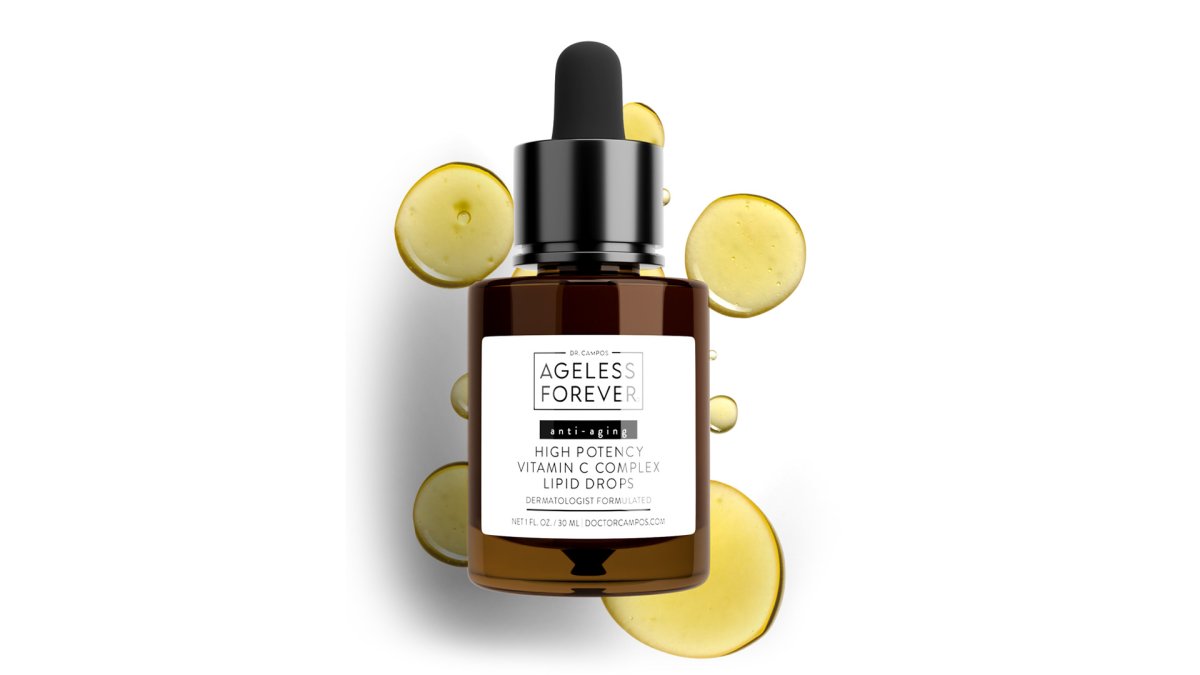
High Potency Vitamin C Complex Lipid →

The mechanism is straightforward. Vitamin C inhibits tyrosinase, the enzyme that triggers melanin production. Fewer pigment signals means dark spots fade gradually and new ones form less readily.
What most guides miss is that hyperpigmentation rarely responds to one ingredient alone. Pair vitamin C with daily broad-spectrum sunscreen, because unprotected sun exposure will undo months of progress in a single afternoon.
Vitamin C Serum Concentration Guide: What Percentage Works
Concentration and efficacy don't scale in a straight line. A 10% serum absorbed consistently outperforms a 20% serum your skin can't tolerate or that oxidizes before you finish the bottle.
| Concentration | Best For | Notes |
|---|---|---|
| 5-10% | Sensitive or reactive skin | Gentle enough for daily use, slower visible results |
| 15-20% | Most skin types | The research-supported sweet spot for brightening and collagen support |
| Above 20% | Not recommended | Higher irritation risk without proven added benefit |
How to Layer Vitamin C with Other Actives
Learning how to layer vitamin c with other actives comes down to pH, timing, and oxidation chemistry. Vitamin C needs an acidic environment to stay stable and absorb, so it goes on first, right after cleansing, on dry skin. Everything else in the routine either respects that environment or breaks it.
Here's a simple order that works for most routines:
- Morning: cleanser, vitamin C serum, moisturizer, sunscreen
- Evening: cleanser, retinol or exfoliating acid, moisturizer
The conflicts worth knowing, and why they happen
Most guides list "don't mix" rules without explaining the mechanism. The mechanism is what tells you whether a combination is a hard no or just a timing problem.
A decision rule you can actually use
If you're layering several actives and your skin is reacting, that's a signal to simplify before adding anything new. A professional skin assessment can map which actives your barrier can handle together and in what order.
How to Spot Oxidation and Store Your Serum
Oxidation is the single biggest reason a good vitamin C serum stops working. You can see it before you feel it: the liquid darkens from clear or pale gold to deep amber or brown, and the scent turns sharp and metallic.
Storage rules that actually matter:
- Keep the bottle away from direct sunlight and heat
- Close the cap immediately after each use
- Choose opaque or airless packaging over clear glass droppers
- Refrigerate if your formula is water-based L-ascorbic acid
Who Should Use Medical Grade Vitamin C (and Who Should Wait)
Most adults can use a vitamin C serum, but the right starting point depends on your skin's current state. Here's how to decide:
- Good candidates: dull complexion, early fine lines, sun spots, uneven tone, or anyone maintaining results between in-office treatments
- Patch test first: sensitive skin, rosacea, or a compromised skin barrier
- Wait and ask a professional: active breakouts, open skin, or skin still healing from a recent procedure
Frequently Asked Questions
Is medical grade vitamin C better than over-the-counter options?
Medical grade vitamin C serums typically use higher concentrations of L-ascorbic acid and stabilized forms like tetrahexyldecyl ascorbate, which are formulated to penetrate the dermal layer more effectively. Over-the-counter products often contain lower concentrations or unstable derivatives that oxidize before they reach your skin. Higher bioavailability means more antioxidant protection against free radicals and better support for collagen synthesis.
What should you not mix with vitamin C serum?
Avoid layering vitamin C serum directly with benzoyl peroxide, which can oxidize the ascorbic acid and cancel its benefits. Retinol and niacinamide can be used in the same routine, but apply them at different times of day to prevent irritation and pH conflicts. If you use an exfoliating acid like glycolic or salicylic acid, apply it after your vitamin C has fully absorbed, or alternate days. When in doubt, simplify: cleanse, apply your vitamin C serum, moisturize, and add other actives one at a time to see how your skin barrier responds.
How long does it take to see results from medical grade vitamin C?
Most people notice a brighter, more even skin tone within 4 to 6 weeks of daily use. Improvements in fine lines and skin texture typically appear after 8 to 12 weeks, because collagen synthesis and dermal layer changes happen gradually. Hyperpigmentation and dark spots may take 12 weeks or longer to fade visibly, especially if the discoloration is deep. Consistency matters more than concentration. Apply your vitamin C serum every morning before sun protection, and take progress photos every two weeks so you can track subtle changes.
Does medical grade vitamin C help with hyperpigmentation?
Yes. Vitamin C interferes with melanin production by inhibiting tyrosinase, the enzyme that triggers excess pigment. Medical grade formulas with L-ascorbic acid at 10 to 20 percent concentration can gradually fade dark spots and post-acne marks while brightening overall skin tone. For best results, pair your vitamin C serum with daily broad-spectrum sun protection, since ultraviolet exposure will undo the progress. If hyperpigmentation is stubborn, a professional can recommend combining vitamin C with other brightening actives or in-office treatments for faster improvement.